
A group of cells with a common origin that has been modified to perform a specific function in the body is known as a tissue.
Meristematic Tissues
Permanent Tissues
The tissues with cells that divide actively by mitosis to produce new cells are called meristematic tissues.
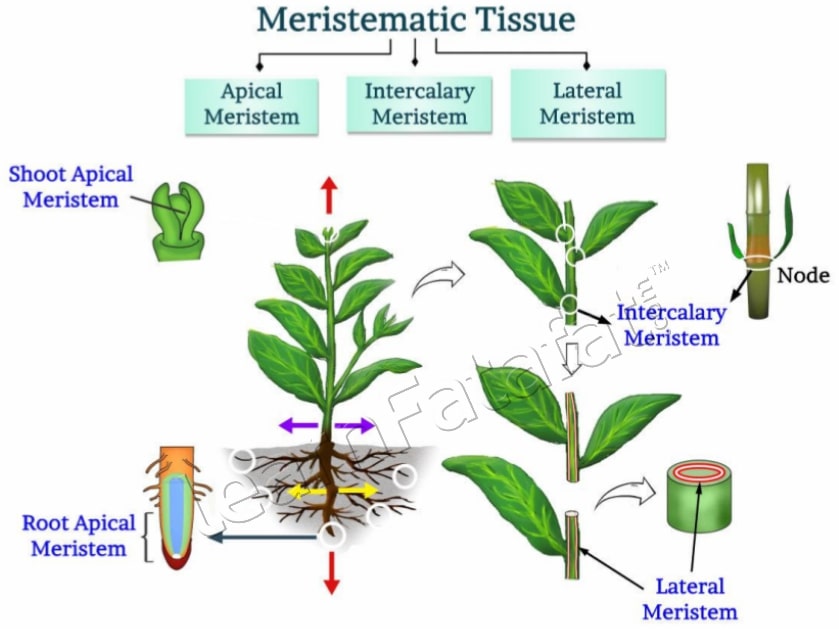
This tissue consists of small sized living cells.
Intercellular Spaces are Not Prominent.
Distinct nucleas in each cell.
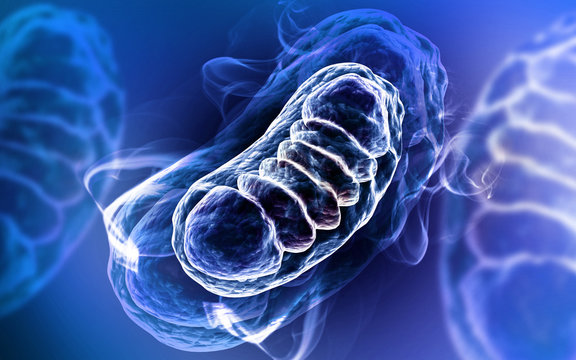
Large number of Mitochondria are present.
|
Meristematic Tissues contain a large number of Mitochondria in order to release energy more effectively for active mitosis. Energy for the metabollic activities of the cell is provided by the organelle - Mitochondria! |
Simple Permanent Tissues
Complex Permanent Tissues
If the Tissues are composed of similar type of Tissues, they are known as Simple Permanent Tissues, otherwise If the Tissues are composed of different types of Tissues, they are known as Complex Permanent Tissues.
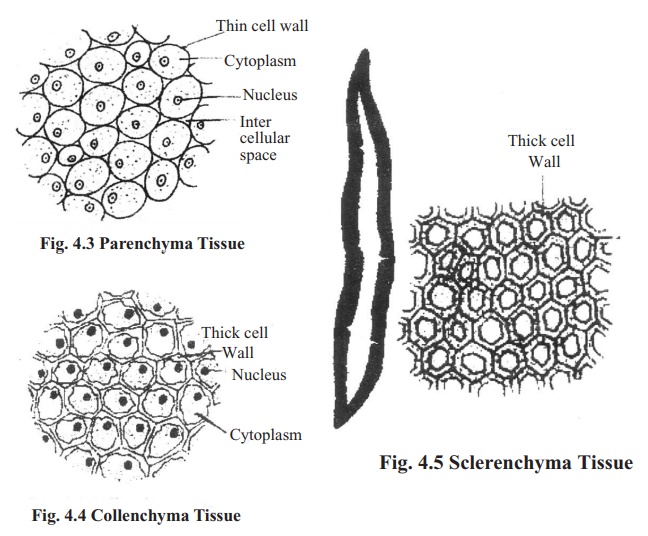
Parenchyma |
Collenchyma |
Sclerenchyma |
|---|---|---|
Photosynthesis |
Support |
Provide support to the plant body |
Food Storage |
Photosynthesis |
- |
Storage of water |
- |
- |
Providing support |
- |
- |
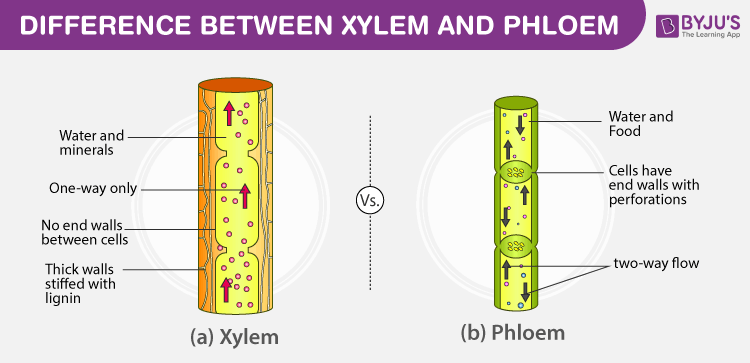
Xylem Tissue
Phloem Tissue
Xylem Tissue - Transporting Water and Minerals throughout the plant, Providing mechanical support to the plant body.
Phloem Tissue - Translocation.
Epithelial Tissue
Connective Tissue
Muscle Tissue
Nervous Tissue
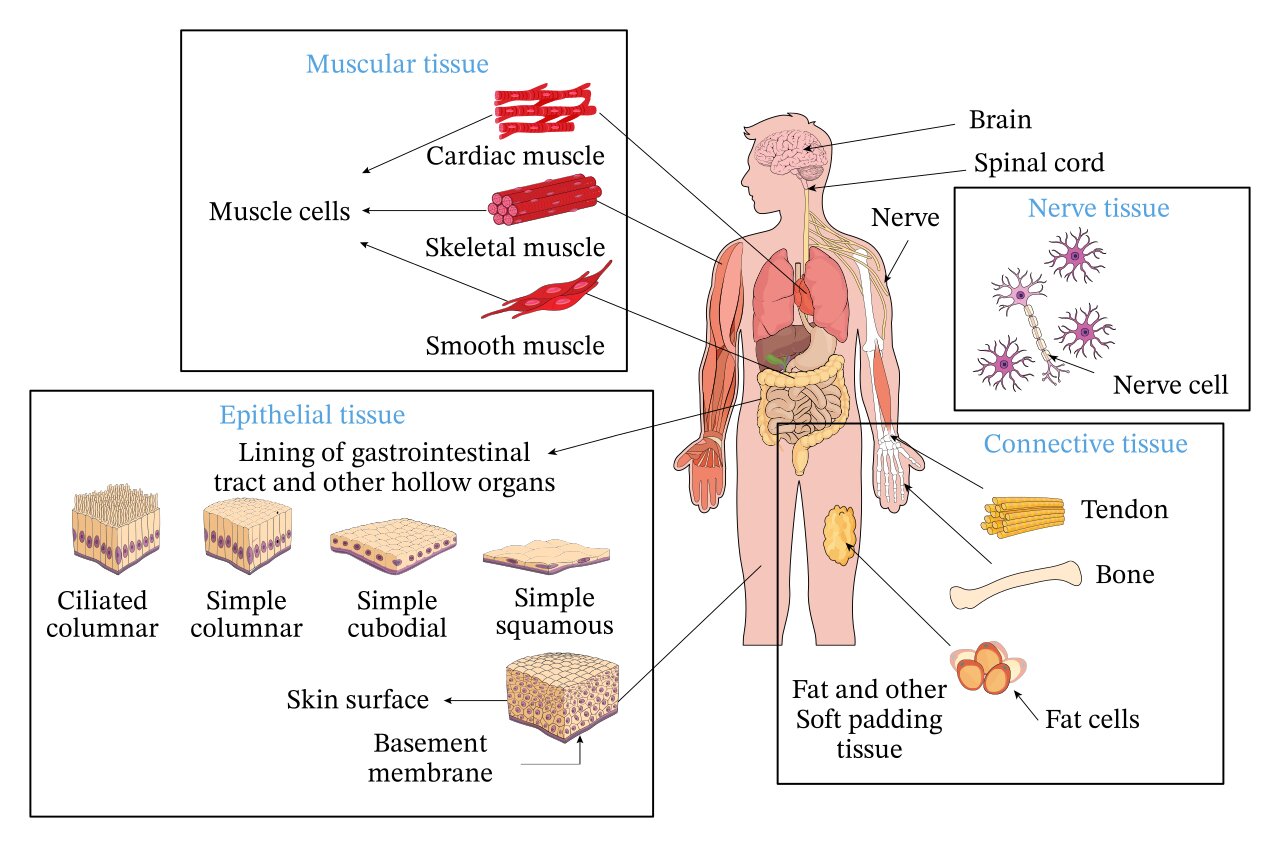
Lining up of free surfaces and protection.
Absorptive function.
Perception of stimuli.
Secretory function.
Filtering.
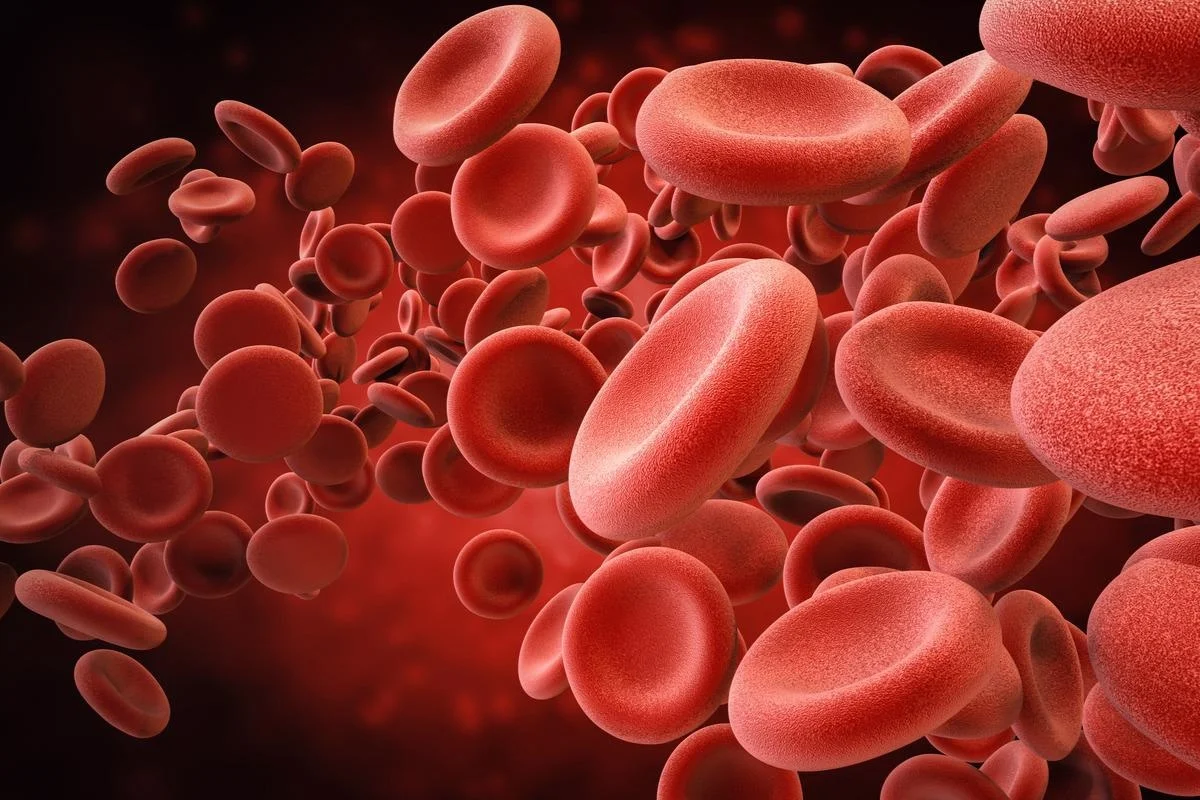
Transportation of materials - Nutrients, respiratory gases, excretory materials and hormones are transported to the relevant organs.
Protection - White blood cells destroy foreign bodies (Microbes) by phagocytosis and by producing antibodies.
Maintenance of homeostasis.
|
Blood is a type of Connective Tissue found in the human body which is NOT Secreted by the Blood Cells itself. This tissue is known as "Plasma" and helps in proper coordination within the Human body! |
Smooth Muscle Tissue
Skeletal Muscle Tissue
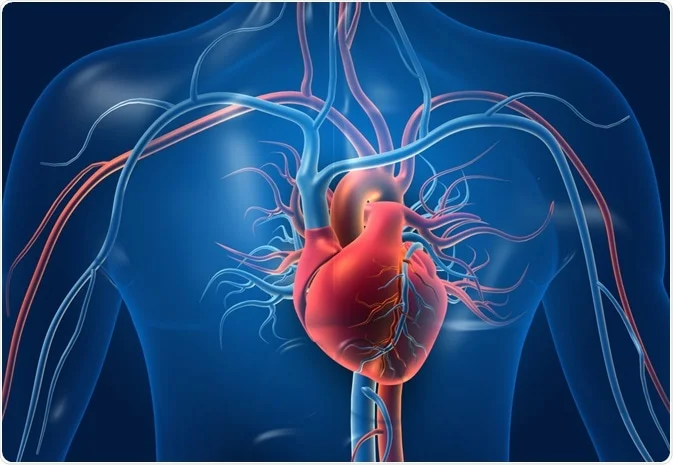
Cardiac Muscle Tissue
Smooth Muscle Tissues |
Skeletal Muscle Tissues |
Cardiac Muscle Tissues |
|---|---|---|
Spindle Shaped, and unbranched. |
Long, Cylindrical, Unbranched cells. |
Short cells with Intercalated discs. |
Uninucleate, and no striations present. |
Multinucleate cells with striations. |
Uninucleate cells with striations. |
Do NOT become fatigue quickly. |
Becomes fatigue easily. |
NEVER become fatigue. |
Involuntarily controlled. |
Voluntarily controlled. |
Involuntarily controlled. |
|
Cardiac Muscle Tissues are the ONLY Tissues found within the Human Body, that NEVER becomes fatigue! If for some reason, they become fatigue, the Human would ultimately DIE as Blood stops flowing to the body's organs! |
The function of the neuron is to receive the information from the receptors (eye, ear, nose tongue, skin) or another neuron and to transmit them to the effector (muscles) or to another neuron.
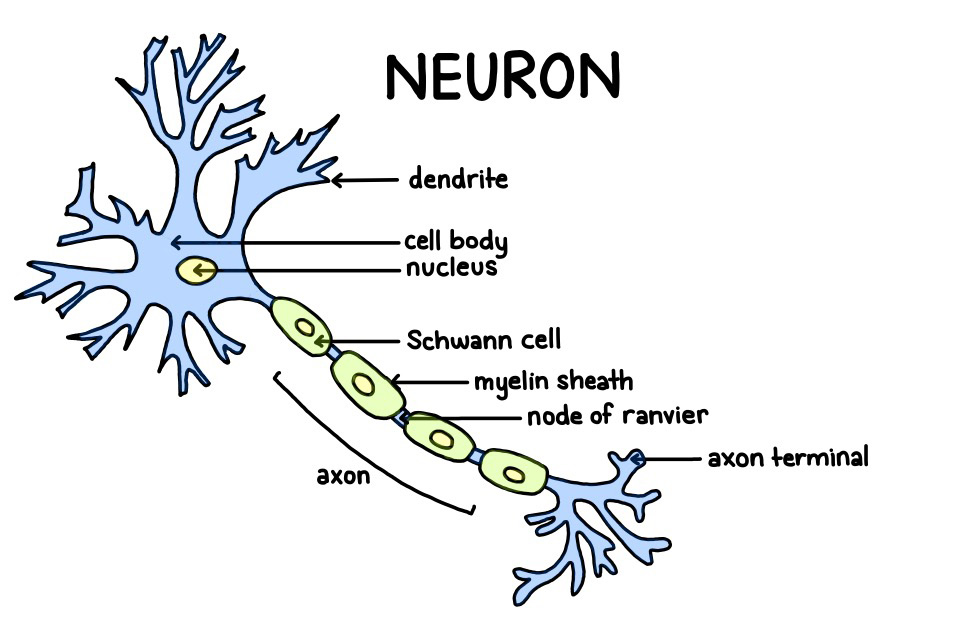
Sensory Neuron
Inter Neuron
Motor Neuron